

Athlete Identity: What Serena Williams Teaches Us About Evolution Beyond the Field
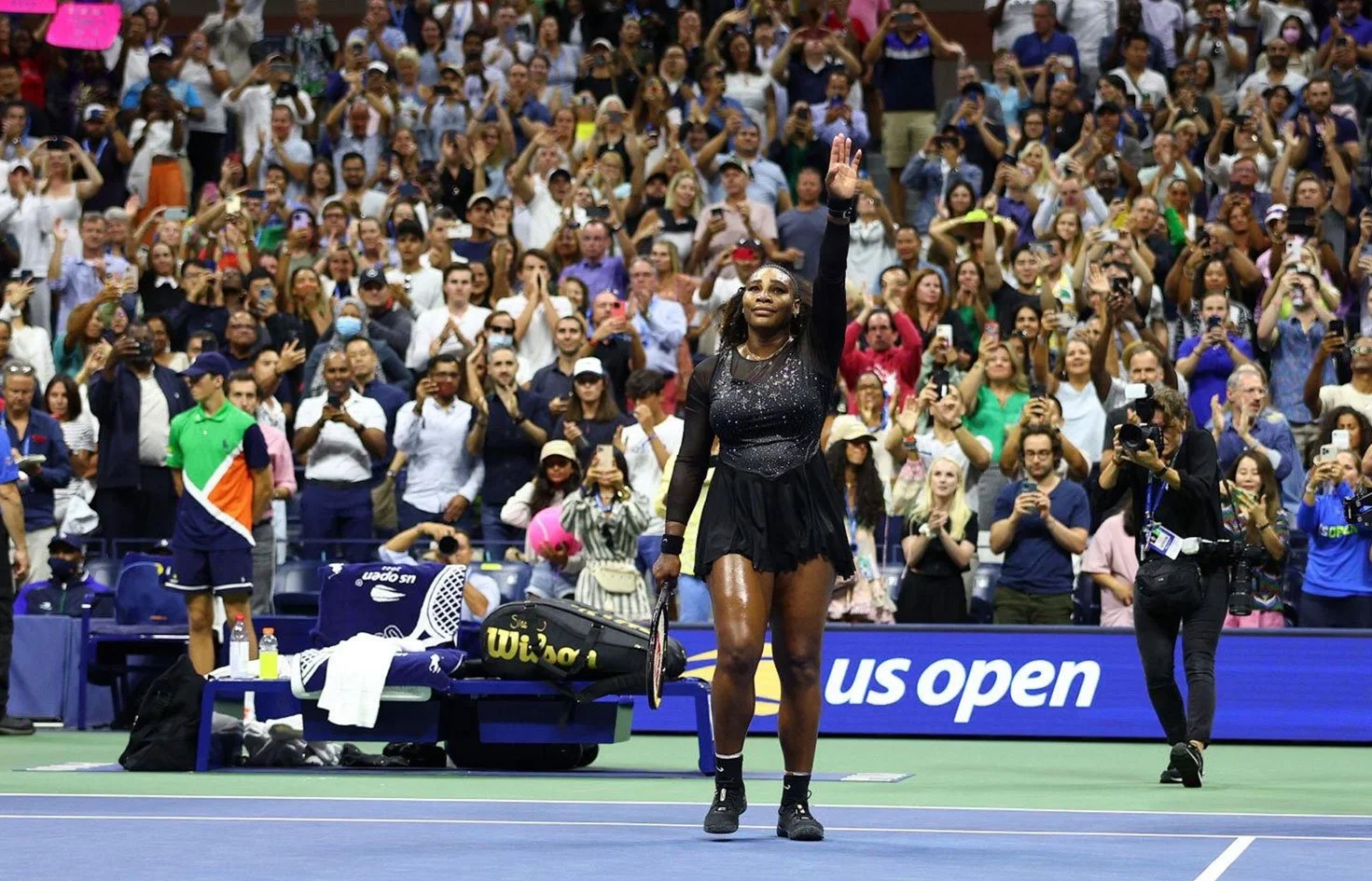
Few athletes have defined an era of sport the way Serena Williams has defined tennis.
Over more than two decades, Williams dominated the game with extraordinary power, resilience and competitive spirit. Her achievements: 23 Grand Slam singles titles, four Olympic gold medals and countless historic victories; have secured her place among the greatest athletes of all time.
Yet one of the most compelling chapters of Serena Williams’ story lies beyond the tennis court.
Her journey offers an important lesson for athletes everywhere: even the most successful sporting careers eventually evolve into something new. Preparing for that moment is essential, not only for athletes with global fame and financial success, but for all athletes whose identities and livelihoods are closely tied to their sport.
When Williams began speaking openly about the end of her professional tennis career, she deliberately avoided the word “retirement.” Instead, she described the transition as an evolution.
“I’ve never liked the word retirement,” she explained. “Maybe the best word to describe what I’m up to is evolution.”
With that statement, Serena captured a reality that many athletes experience. Leaving elite competition is rarely a simple ending. It is a transition into a new stage of life; one that requires reflection, preparation and, often, reinvention.
The inevitable transition in elite sport
Regardless of talent or success, every athlete eventually reaches the end of their competitive career.
For many athletes, this transition can be psychologically complex. Years of structured training, competition schedules and team environments create a strong sense of identity tied to sport. When that structure disappears, athletes often need time to redefine their roles, routines and professional ambitions.
Research on athlete transitions has shown that retirement from elite sport can significantly affect an athlete’s social environment, daily structure and personal identity. Some athletes describe the experience as feeling suspended between two world: not part of the competitive arena, but still searching for a new meaning.
Short career spans make this transition even more challenging. In many professional leagues, athletes compete for only a few years at the highest level. Even in sports where careers may last longer, performance windows remain limited.
Tennis is somewhat unusual in this regard. At the highest level, elite players can sustain long careers, sometimes competing well into their thirties. Serena Williams herself exemplified this longevity.
She won her first Grand Slam title at the U.S. Open in 1999 at just eighteen years old and reached the world number one ranking a few years later. Remarkably, she continued winning major titles well into her thirties, including her final Grand Slam victory at the Australian Open in 2017.
Longevity, however, does not eliminate the challenge of transition. In some ways, the deeper the connection to sport, the harder it can be to step away.
Preparing for life beyond sport
One of the most remarkable aspects of Serena Williams’ career is the extent to which she prepared for life beyond tennis long before leaving competition.
While building one of the most successful careers in sports history, Williams simultaneously developed a diverse portfolio of business interests and entrepreneurial initiatives.
Through Serena Ventures, a venture capital firm she founded in 2014, she has invested in dozens of startups across industries including technology, finance and consumer products. Many of these investments focus on supporting diverse founders and underrepresented entrepreneurs.
Williams has also become involved in sports ownership. Together with her sister Venus, she holds a minority stake in the Miami Dolphins of the National Football League and is part of the ownership group of Angel City FC, a women’s professional football club based in Los Angeles.
These ventures reflect a deliberate effort to build a second career beyond competition.
While Serena’s financial success places her in a unique position, the broader lesson of her journey applies to athletes at every level. Planning for life after sport; whether through education, entrepreneurship or professional experience, is essential for navigating the transition beyond competition.
Redefining identity after sport
For many athletes, leaving competition requires redefining their sense of identity.
Athletes often dedicate decades to their sport, shaping their lives around performance, training and competition. Moving beyond that chapter requires discovering new ways to channel the qualities that made them successful in sport.
In Serena Williams’ case, those qualities; discipline, resilience, ambition and leadership, have translated naturally into business and entrepreneurship.
Yet she has also spoken candidly about the emotional dimension of leaving tennis behind.
“I’m going to miss that version of me,” she once reflected, speaking about the athlete she had been for so many years.
That sentiment resonates deeply with athletes across sports. The transition beyond competition is not only about careers, it is also about acknowledging and honouring a powerful part of one’s identity.
Evolution, not retirement
Perhaps the most powerful message in Serena Williams’ story lies in how she framed the transition itself.
Rather than viewing the end of her playing career as a closing chapter, she described it as the beginning of a new stage of growth.
“I’m ready to explore a different version of Serena,” she said.
That perspective offers a valuable lesson for athletes everywhere.
Elite sport cultivates extraordinary capabilities: discipline, perseverance, leadership and the ability to perform under pressure. These attributes do not disappear when an athlete steps away from competition. Instead, they become the foundation for new opportunities.
Serena Williams’ journey demonstrates that life after sport is not simply about leaving the game behind. It is about evolving into the next chapter; one where the lessons of sport continue to shape new ambitions and achievements.
For athletes preparing for that transition, the message is clear: the end of competition is not the end of the journey. It is the beginning of something new.