

Women, Sport and Leadership: Building the Future of an Inclusive Sports Ecosystem
Conversations about women in sport have become increasingly visible. Conferences, board meetings and global forums frequently highlight the importance of gender equality and the growing role of women as athletes, leaders and decision-makers.
Yet an important question remains: are sports organisations truly creating the conditions for women to participate and lead in meaningful ways?
Participation in sport offers well-documented benefits for girls and women. Sport builds confidence, strengthens leadership skills, breaks cultural barriers and opens pathways to education, employment and economic opportunity. It contributes not only to individual development but also to social progress.
Despite these widely recognised benefits, female participation in sport continues to lag significantly behind that of men in many parts of the world.
This gap is not only a question of access to sport. It is also a question of opportunity within the broader sports ecosystem.
When girls and women are excluded from sport, they are also excluded from the leadership pathways that emerge from participation: coaching, refereeing, administration, governance and executive leadership.
In other words, when half of the potential participant pool is underrepresented, sport loses an enormous amount of talent, innovation and economic potential.
The challenge is that even in the twenty-first century, girls participating in sport is still not universally seen as natural or expected in the same way it is for boys.
Changing this perception requires structural change.
The leadership multiplier effect
One of the most powerful drivers of female participation in sport is visible leadership.
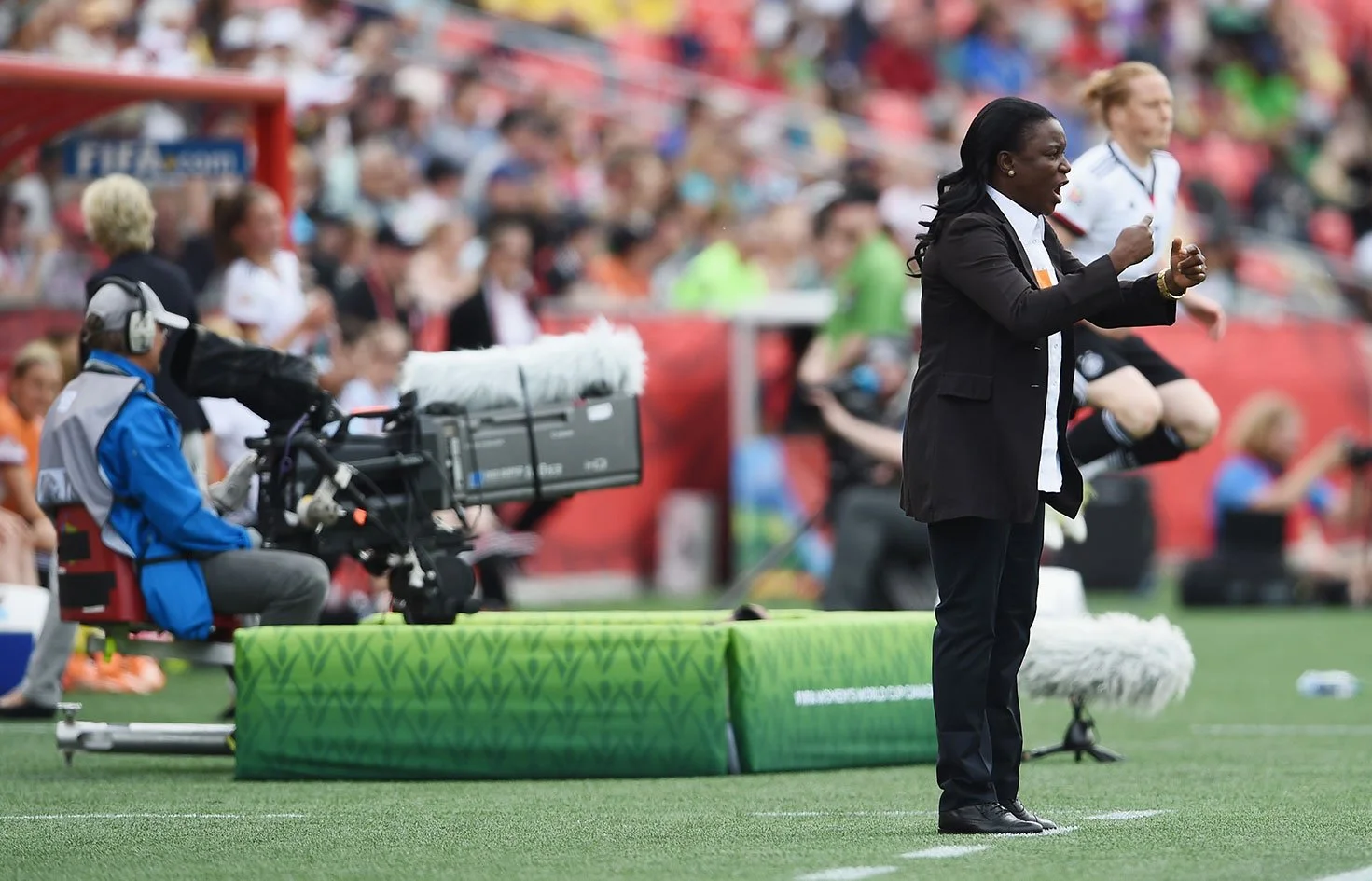
When women occupy leadership positions within sports organisations; whether as coaches, executives, referees or board members, they become role models who inspire the next generation of girls to participate.
Leadership representation creates a multiplier effect. The more women lead in sport, the more natural participation becomes for girls and young women.
However, many women who enter leadership development programmes in sport still struggle to remain within the system. Too often they encounter limited opportunities for progression or organisational cultures that do not fully support their advancement.
As a result, many talented women leave the sports industry before reaching positions where they can influence change.
For sports organisations that are serious about gender equality, addressing this challenge must become a strategic priority.
From participation to governance
International sports organisations play a critical role in shaping the environment for women’s participation and leadership.
Their responsibility extends beyond promoting participation on the field of play. They must also ensure that women have meaningful access to decision-making structures at global, continental and national levels.
Achieving this requires strong commitment from leadership and clear governance frameworks that support gender diversity across all areas of sport.
Two dimensions are particularly important.
First, sports organisations must strengthen the sporting ecosystem by ensuring that girls and women have access to structured development pathways. This includes investment in youth programmes, professional competitions and high-performance environments where female athletes can thrive.
Second, organisations must strengthen the institutional ecosystem by supporting women in leadership roles across coaching, administration, officiating and governance.
Without these parallel efforts, participation alone will not translate into long-term structural change.
The business case for investing in women’s sport
The development of women’s sport is often framed primarily as a social or equality issue. While these dimensions are critically important, it is equally necessary to recognise the economic opportunity.
Investing in women’s sport creates new markets, attracts new audiences and generates new commercial partnerships. As media coverage and fan engagement around women’s competitions continue to grow, the business potential of women’s sport becomes increasingly clear.
To realise this potential, sports organisations must adopt a more strategic approach.
This includes committing sustained investment, integrating women’s sport into governance structures, increasing female representation across leadership roles and developing commercial strategies that support women’s competitions and leagues.
Setting measurable targets and clear accountability mechanisms can also accelerate progress. Representation goals, transparent hiring practices and leadership development initiatives can help ensure that diversity commitments translate into meaningful outcomes.
The role of national sport organisations
While international bodies establish global strategies, national sport organisations are responsible for translating those ambitions into practical action.
Each country operates within its own cultural, social and economic context. However, every national association has the opportunity to expand opportunities for girls and women through targeted investment and strategic planning.
This includes developing inclusive sporting infrastructures, creating safe and accessible environments for participation, and establishing structured pathways from grassroots programmes to elite competition.
Equally important is investing in the development of female coaches, referees and administrators who can contribute to the long-term sustainability of the sport.
Too often, women’s sport is viewed only through an amateur or developmental lens. In some cases, investment is postponed until results are achieved at the elite level.
This approach reverses the logic of sports development.
High performance is the result of long-term investment in infrastructure, coaching and athlete development. Without these foundations, success at the elite level becomes difficult to sustain.
National sport organisations therefore have a critical role in strengthening the ecosystem for girls and women in sport by focusing on several key priorities:
Developing modern sport structures and infrastructure where talent can be nurtured and supported
Establishing targeted programmes to accelerate the growth of girls’ and women’s participation in safe and inclusive environments
Supporting structured pathways from grassroots participation to youth and elite competition
Strengthening technical excellence by investing in the development of coaches, referees and sport professionals working with female athletes
Building the future of sport
Women have been participating in physical activity and sport for centuries, even when opportunities were limited. The Olympic Games first welcomed female athletes in 1900, and since then women have steadily expanded their presence across many disciplines.
In recent decades, the growth of women’s competitions; from global tournaments to domestic leagues, has demonstrated the extraordinary potential of women’s sport.
Media audiences are growing, commercial partners are investing and new generations of athletes are redefining the level of performance in many sports.
Yet the full potential of women’s participation in sport has still not been realised.
Achieving that potential requires more than statements of support. It requires sustained commitment from sports leaders, organisations and partners across the global sports ecosystem.
When girls and women are given equal opportunities to participate, lead and innovate, the benefits extend far beyond the playing field.
They strengthen the future of sport itself.